
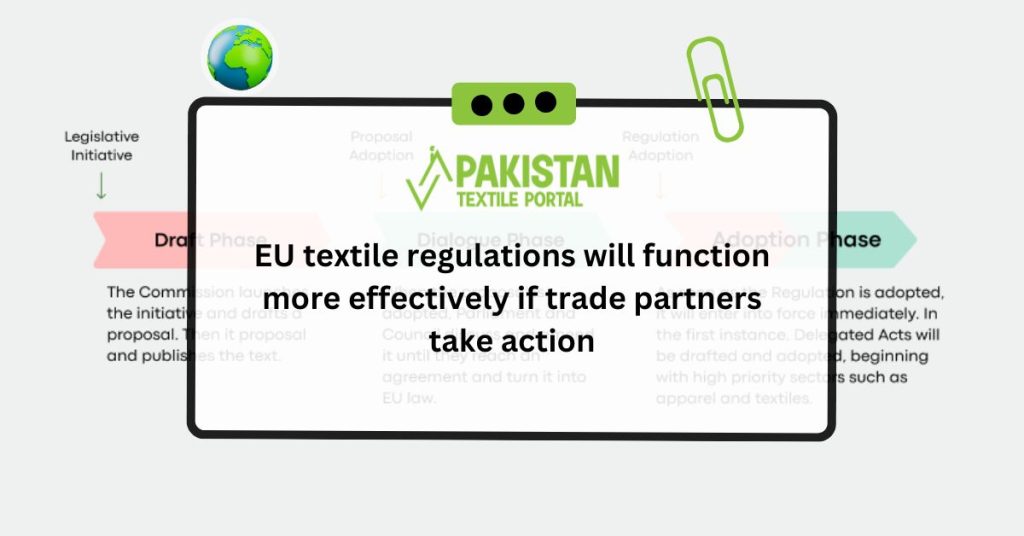
Panelists at a meeting last month in Brussels stated that EU restrictions on waste exports and textiles will be more successful if they are accompanied by initiatives to increase the capacity of producers in important EU textile trading partners, such as India.
This is particularly true for small-scale producers, who adhere to the majority of sustainable production practices in practice but may find the requirements for traceability reporting burdensome. According to the EU Strategy for Sustainable and Circular Textiles, all textile goods marketed in the EU market must be designed, produced, used, and recycled to be circular by 2030. This highlights the need for sustainable textile production and consumption.
In order to discuss strategies for transforming the textile industry toward sustainability and circularity, policymakers, industry representatives and associations, civil society, youth, and academics convened jointly under the auspices of the UNEP and the Belgian Presidency of the EU Council.
According to a UNEP announcement, panelists emphasized the need for improved information sharing, worldwide product traceability, and group action to combat microplastics, while the business sector insisted on strict guidelines that all parties must go by. In addition to emphasizing eco-design and clothing reparability, tackling textile overconsumption and overproduction, as well as fostering more collaboration between the textile industry and up-and-coming innovators, were deemed critical to a systemic change in the industry.

