
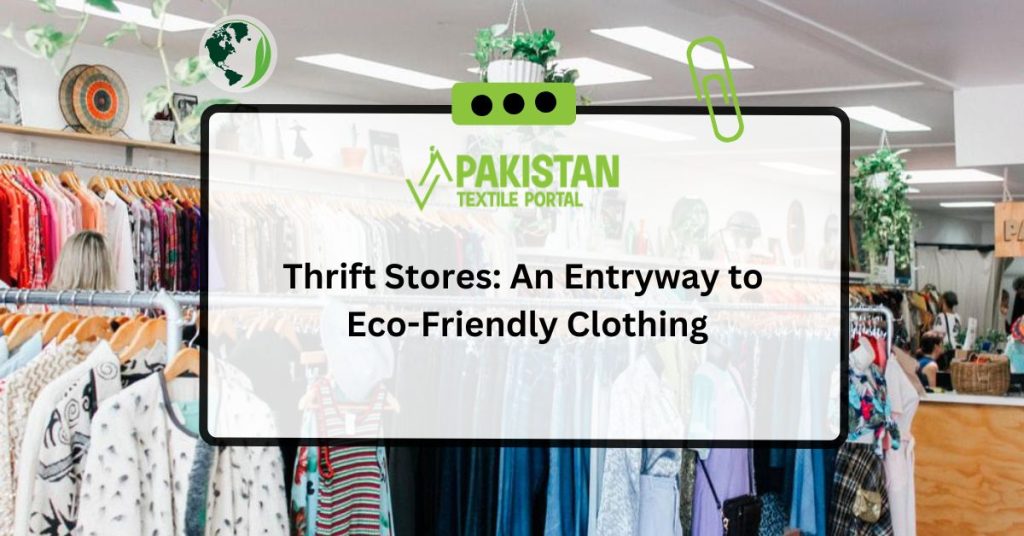
Thrifting has become a major trend in an industry that is becoming more and more concerned about sustainability. It allows consumers to express their style while putting environmental and ethical ideals first. This article examines the growth of thrifting as a significant factor in sustainable fashion, emphasizing both its social and environmental ramifications. In the fashion industry’s constantly changing landscape, sustainability has become a key concern for brands, customers, and legislators. As people become more conscious of the negative effects fast fashion has on the environment and society, they are looking for alternate methods to show their style without sacrificing their morals. Let’s talk about thrifting, the act of buying used apparel and accessories that has grown to be a significant driver in the shift to sustainable fashion.
The Growth of Eco-Friendly Clothing
Sustainability has evolved from a catchphrase to a principle that influences both consumer behavior and business operations in recent years. A move toward more sustainable options has been spurred by worries about the fashion industry’s environmental impact, which includes problems like water pollution, textile waste, and greenhouse gas emissions. Because of this, consumers are becoming more and more interested in companies and methods that place a high value on resource conservation, fair labor standards, and ethical production.
The Effects of Fast Fashion
The emergence of fast fashion, a business model distinguished by quick turnaround times, inexpensive costs, and throwaway apparel, has had a substantial negative impact on the environment and society. Clothing is frequently worn just a few times before being thrown away due to overconsumption brought on by the obsession with following trends. This cycle of consumption supports unfair labor practices in nations that produce clothing in addition to contributing to the depletion of natural resources.
The Argument in Favor of Thrifting
Thrifting presents a convincing substitute for the quick fashion paradigm, enabling customers to adopt sustainability while also showcasing their unique sense of style. Buying used clothing helps people minimize their environmental effect, cut waste, and increase the lifespan of items. Reuse and recycling are encouraged by thrifting, which helps to create a more circular economy that makes better use of available resources.
Advantages for the Environment
There are numerous advantages to thrifting for the environment. Buying used apparel helps consumers save resources including raw materials, energy, and water by lowering the demand for new manufacture. Thrifting also helps keep textiles out of landfills, where they would otherwise contribute to greenhouse gas emissions and environmental degradation. Thrifting promotes the three pillars of sustainable living—reduce, reuse, and recycle—by giving used apparel a second chance at life.
Consequences for Society
Thrifting has significant social ramifications in addition to its environmental advantages. Supporting online marketplaces, thrift stores, and charity shops allows customers to support neighborhood projects and local economies. Thrifting supports businesses that offer essential services to the underprivileged and creates job opportunities.
Individuality and Originality
The ability to express oneself and be creative is one of the most alluring features of thrifting. Contrary to traditional retail buying, where people’s wardrobe selections are frequently influenced by prevailing trends, thrifting enables people to put together outfits that perfectly capture their individuality and sense of style. Thrifting offers a wide range of apparel and accessories just waiting to be discovered, from vintage findings to one-of-a-kind treasures. For those who love fashion, thrifting is an incredibly fulfilling experience because of the excitement of the quest and the joy that comes from discovering a hidden gem.
Overcoming Obstacles
Thrifting has numerous advantages, but it also has drawbacks. For some customers, accessibility might be a hindrance, especially if they live in underserved towns or rural areas with little access to thrift stores. Concerns about fit and quality might also arise from the possibility that used apparel may not fit well or may not come in a variety of sizes. A multidimensional strategy is needed to address these issues, including initiatives to increase accessibility to thrift stores, raise the standard of used apparel, and encourage size inclusivity among thrifters.
The Revolution of Thrifting
Thrifting is becoming more and more popular as a sustainable substitute for conventional fashion consumption, despite these obstacles. Thrifting has been adopted by influencers, celebrities, and fashion fans as a way to encourage conscientious purchasing and promote sustainability. Thrifting has become increasingly popular thanks in large part to social media platforms. Hashtags like #thrifted and #secondhandstyle have generated millions of posts from thrifting fans worldwide.
In conclusion, a sustainable future
Thrifting is more than simply a style of shopping; it’s a movement toward a more ethical and sustainable way of making clothes. Thrifting allows customers to express their personality and creativity while simultaneously having a good impact on the environment. Thrifting opens the door to a more sustainable future, one wardrobe component at a time, as the fashion business keeps changing. Thus, why not embrace the revolution of thrifting and use each purchase to change the world?

